by
by Article by Reza Bayegan titled “The Story of Ziapour and the Fighting Cock (Khorus Jangi) Association; They Thought Cubism Meant Communism!”, Tehran Emrooz Newspaper, Tuesday, 17 November 2009.

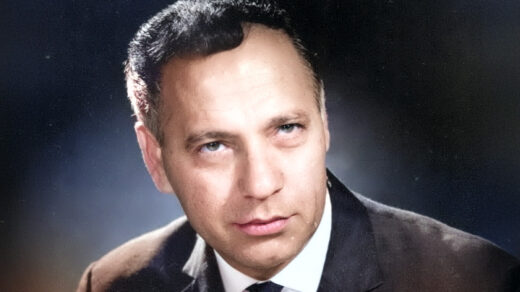
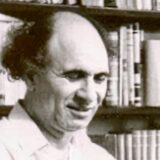
Master Jalil Ziapour, the Father of Modern Iranian Painting
Ziapour had studied painting, but he wrote articles about Gholamhossein Gharib’s storytelling method. Ziapour painted, but when there was talk of publishing a magazine, he was the one to take the lead, and “Fighting Cock” became the magazine that Ziapour and his friends set out to publish in an association of the same name. “Fighting Cock” was not the only magazine that the young painter published; rather, after the banning of “Fighting Cock”, he also published two magazines, “Kavir” and “The Cock’s Claw (Panjeh-ye Khorus)”, but they too met a similar fate.
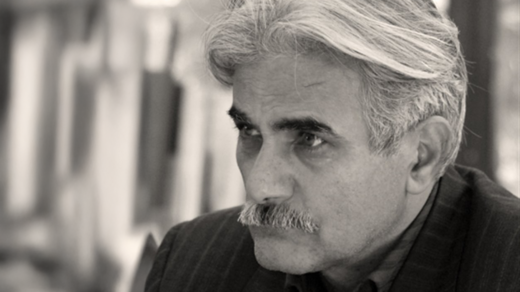
It was as if the youth of the 1940s had superhuman strength and energy; a generation whose thinkers were not confined to a single domain of art and thought, but poked their heads into every corner, learned, confronted various forms of ignorance, and used every tool to express their ideas. Sixty years ago, when Ziapour returned from Europe and stood alongside other fierce enemies of traditionalism, at the very same time he was shouting his lectures and manifestos about modern and modernist painting into the ears of the worshippers of the old, another group was following the same path in literature and music. The discussions that had started in Ziapour’s painting studio led Gholamhossein Gharib, Hassan Shirvani, and Morteza Hannaneh to also come together, form the “Fighting Cock Association,” and publish their magazine. Now, why the Fighting Cock? Indeed, no other name was befitting of this group, who had no intention of compromising with any opposing view and were seeking with all their might to bring about a transformation in literature, theater, painting, and music. Although Hannaneh parted ways with this rebellious group very early on, he published articles about Arabic music in the “Fighting Cock” magazine.
At that time, there were still four years until the 19 August coup d’état; a coup that changed many things in the contemporary history of Iran, the path of art being one of them. Prior to the coup, modernist artists had no choice but to defend their positions tooth and nail against the traditionalists, because the official art of that era (in all fields) consisted of the same traditional methods that dominated all areas. Perhaps for this reason, the generation of modernists of those years turned into disobedient “fighting cocks.”
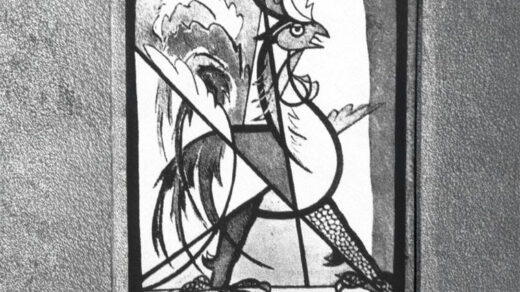
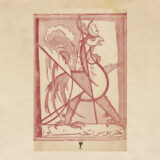
Jalil Ziapour, with the knowledge and dreams of Cubism that he carried in his head, designed the association’s emblem, and the choice of its name was also one of the pure ideas of Gholamhossein Gharib (a man who remained a fighting cock until the very last moments of his life). The Fighting Cock Association, just as its founders had set as their goal at that time, was formed to “combat the worship of the old and the traditionalism of art and painting” and turned a poem by Farrokhi Sistani into its slogan:
“The tale of Alexander became legend and grew old /
Bring forth new speech, for the new has a different sweetness”
In the first issue of the “Fighting Cock” magazine, poems by Manouchehr Sheibani and Nima Yooshij, a play by Shirvani, a story titled “Sin” by Gholamhossein Gharib, and a long article by Ziapour about painting were published. In this article, Ziapour engages in a meticulous analysis of movements like Cubism and Fauvism and even brings class and sociological analyses into the discussion. Apparently, seeing the traditionalists’ opposition to this style of painting in Iran, he decides to describe and explain them to make his opponents understand that the contemporary art movements of the world are nothing but the product of the needs of their time. Of course, along this path, just as he had certain excesses in formulating his theory that are meaningless to us today, he wrote in such a biased and fiery manner that reading those sentences, sixty years after they were written, is not without its charm. Of course, not all of Ziapour’s articles in the Fighting Cock were dedicated to Western painting and painters. Perhaps some of his words, now that sixty years have passed, smell of staleness, but he also has writings that are still fresh and seem to hold the story of our present day.
Ziapour’s presence alongside the association and the Fighting Cock magazine did not last very long, because after five issues, this publication was banned and Ziapour was dragged to court. Interestingly, in court, they questioned him about the relationship between Cubism and Communism, and only there did they realize that these two subjects had no relation to each other. The authorities, having realized their mistake, allowed Ziapour to publish the same magazine under a different title. The result of this permit was the magazine “Kavir.”
Of course, the “Fighting Cock” also has a second period of publication, which relates to the year 1951. In that year, Ziapour and Sheibani withdrew from continuing their work with the magazine, and Hushang Irani replaced them.