Master Jalil Ziapour, the Father of Modern Iranian Painting
Preface
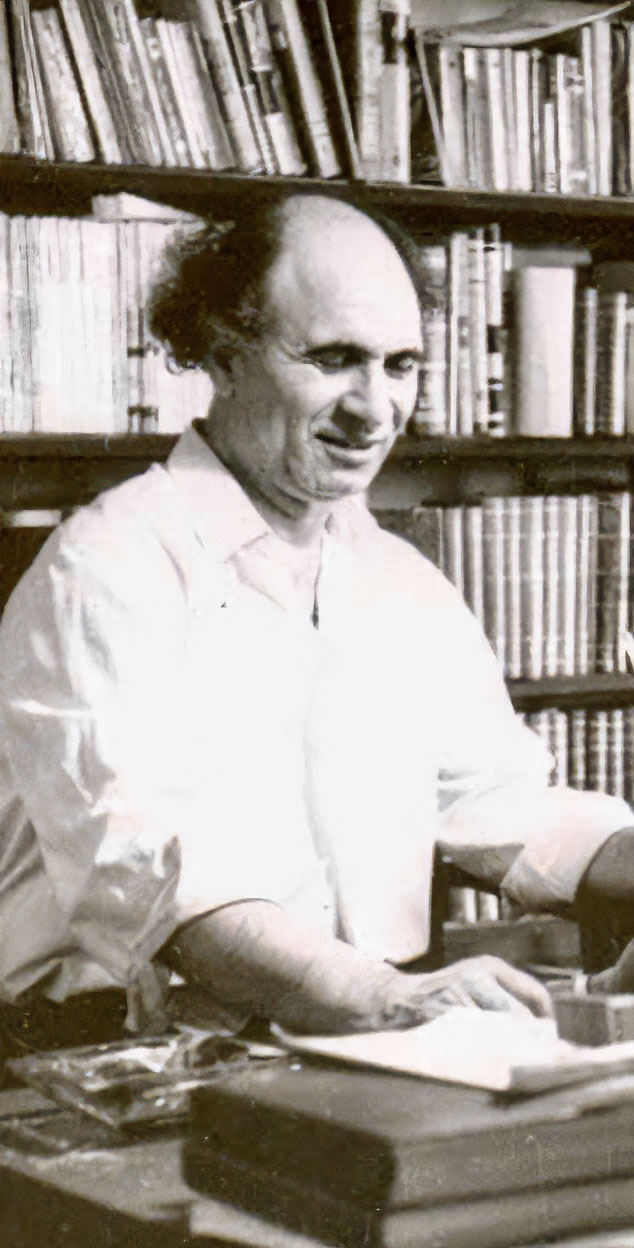
Master Jalil Ziapour, the Father of Modern Iranian Painting, did not consider it possible to know and understand authentic Iranian art without awareness of the historical and anthropological roots of this land. Alongside his pioneering work in modern painting and his theorizing of new art, he devoted more than half a century of his life to field and historical research on the clothing, ornaments, motifs, and customs of the peoples of this land, lasting achievements that today are counted among the most authoritative academic and research references.
In this collection, the history of Iranian clothing, ornaments, and motifs from prehistoric times to the contemporary era has been examined with scientific precision and an artist’s taste. Each volume is the result of years of travel, visual documentation, note-taking, and conversation with local communities, villagers, and the nomadic tribes of the various regions of Iran. Through this approach, Master Ziapour revealed the continuity of Iranian culture through time and showed how the motifs, colors, and decorations of everyday life narrate the identity and collective memory of a nation. In his view, tradition was never a repetition of the past, but a living and dynamic language for consolidating the identity of contemporary art.
This collection is the fruit of the union of rigorous scientific research with an artist’s eye, a bond between art and anthropology that will remain a guiding light for the research and creation of future generations.
List of Written Works
Sort: Date of publication – New → Old
1978–1999 – Encyclopedic Dictionary of Gilaki Language Words (approximately 60,000 comparative entries), unfinished (unpublished). Note: The research slips are held by Mahsha Ziapour (daughter of Master Jalil Ziapour); selecting a group of linguists, completion, and preparation for publication are planned.
1998 – A Concise History of Iranian and World Art, two volumes, 588 pages, Jahad-e Daneshgahi Art Publications, Tehran.
1977 – Fifty Years of Contemporary Iranian Visual Arts from the Time of Kamal-ol-Molk to the Present, 2400 pages. Note: The digital version of this work will be published on this page by 20 March 2026.
1977 – The Play of the First Human “Keyumars”, for the production of an animated film based on the sources of Bundahishn, Tarikh-e Bal’ami, and Ferdowsi’s Shahnameh.
1976 – A Study on Maritime Transportation in the Anzali Lagoon and the Economic Condition of the Inhabitants of the Gilan Lagoon Basin, commissioned by the “Supreme Council of Culture and Art”, 200 pages.
1976 – English-to-Persian Translation of “The History of the Clothing of the People of the Middle East and Medieval Europe”, authored by Antosander, 140 pages.
1974 – An Introduction to Coloring in the Artistic Works of Iranians from the Earliest Times to the Safavid Period, Publications of the General Department of Writing of the Ministry of Culture and Art, Tehran, 162 pages.
1974 – The Medes and the Founding of the First Empire in the West of the Iranian Plateau, Publications of the Society for National Heritage, Tehran, 558 pages.
1974 – Decorative Motifs in the Land of Iran from the Earliest Times to the Era of the Medes, Publications of the Ministry of Culture and Art, Tehran, 432 pages.
1974 – A Study on Rostam the Hero (Iranian-Scythian) and the Combat Weapons of the People of the Sistan Regions (the Region of Rostam), 180 pages.
1973 – A Study on “Mount Alborz” and “Tireg-e Alborz” in the Shahnameh, 195 pages.
1973 – A Study on the Ancient Aryans Inhabiting Central Asia and “Their First Human Thought”, 180 pages.
1973 – A Study on the Clothing and Combat Weapons of the Ancient Aryan People from the Time of Keyumars to Jamshid Jam, 290 pages.
1971 – The Clothing of Asho Zarathustra and the Mobads, 255 pages.
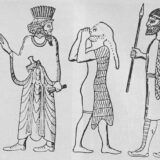
1971 – The Clothing of the Achaemenids and Medes Based on the Reliefs of Persepolis, Publications of the Ministry of Culture and Art, Tehran, 234 pages.
1970 – Iranian Clothing from Fourteen Centuries Ago to the Beginning of the Pahlavi Monarchy Era, Publications of the Ministry of Culture and Art, Tehran, 431 pages.
1969 – The Ornaments of Iranian Women from Ancient Times to the Present, Publications of the Ministry of Culture and Art, Tehran, 538 pages.
1968 – The Clothing of Iranian Women from the Earliest Times to the Beginning of the Pahlavi Dynasty, Publications of the Ministry of Culture and Art, Tehran, 222 pages.
1968 – The Clothing of the Ancient Peoples of the Iranian Plateau Before the Arrival of the Aryans to the Median Period, 361 pages.
1967 – The Clothing of the Tribes, Nomads, and Villagers of Iran, Publications of the Ministry of Culture and Art, Tehran, 307 pages.
1966 – A Study on the Importance of Iranian Fabric Weaving in the Sasanian Era and Its Continued Influence from the Advent of Islam Among Muslims and Others, 210 pages.
1964 – The Ancient Clothing of Iranians to the End of the Sasanian Period, Publications of the General Department of Museums and Folklore of the Ministry of Culture and Art, Tehran, 356 pages.
1958 – A Study on the Garments “Aba”, “Arkhalig”, “Yal”, and “Kolcheh”, commissioned by the “Encyclopaedia of Iran and Islam”, University of Tehran, 23 pages.
1956 – A Study on the Aryans and the Manner of Their Migration to the Iranian Plateau, 215 pages.
1954 – A Study on the General Condition, Habitation, and Customs of the People of Qasemabad, Gilan, 280 pages.
1953 – The Art of Painting and Sculpture in the Land of Iran from the Very Distant Past to the Advent of Islam, Part One, Arash Printing Press.
1953 – A General History of the Art of the East, Middle East, and Europe (In Brief), 433 pages.
1949 – A Theory on the Causes of the Weakness of Expression in Painting Styles and a Presentation of the Working Method.