by
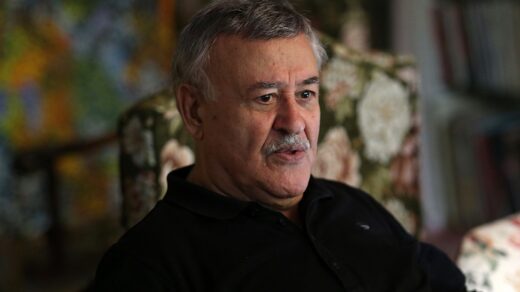
by A note by “Hojjat Amani”, titled “Cubism and Our Modernist Painter”, on the occasion of the birthday of Master Jalil Ziapour, Etemad newspaper, issue 6037, page 6, Wednesday, 7 May 2025.
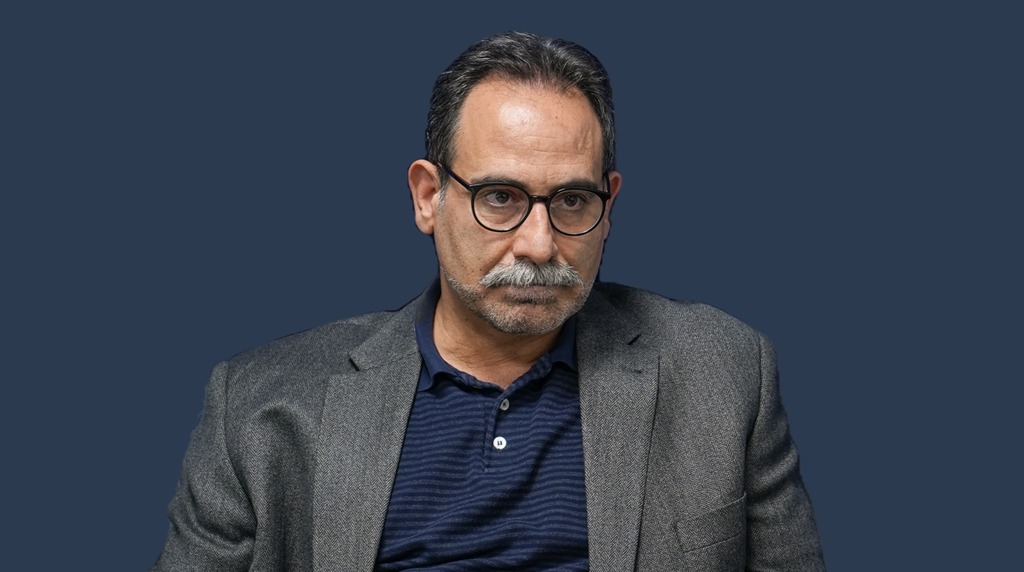
Dr. Hojjat Amani, painter and art researcher
From the time the social conditions of Middle Eastern societies changed, artists in these regions also gained a greater awareness of their situation relative to the past and strove, at this stage, to somehow repair and reexamine the rupture they had with their present and past. Having learned and become familiar with Western academic methods, they gained self-confidence, and through the selection of local and indigenous subjects with which the general public could connect, they attempted to establish a bridge to their past and present in society. In this way, the faces of rural and local women replaced the nymphs and beautiful Western women of the Rococo and Baroque periods, and the painting of various Iranian, Iraqi, Egyptian, Turkish, and other landscapes flourished and expanded.
Although this change was a small step along this path, it opened the way for artists to return to themselves. With increasing contact with the West, artists of these regions simultaneously moved beyond academic experiences and were drawn toward Post-Impressionist tendencies, particularly Cubism, which for its time was considered a fundamental transformation and profound alteration in the pictorial works of the West. Upon returning to their homelands, the pioneering artists of these regions used these tendencies as a method directed toward local subjects and the landscapes of their countries, which in the best of cases were still not free of all Western elements, and the roots of Westernism remained evident in their works.
At this stage, artists, who saw their present condition as fragmented, strove in search of identity, regarding it as the sole means for self-preservation. Some of these artists believed that art was a universal matter and saw no necessity to utilize their cultural heritage, whereas another group continued solely with their local subjects and themes within European formats, striving to indigenize Western methods.
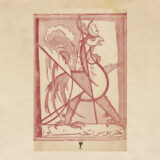
In Iran as well, where the influence of the teachings of the school of “Kamal-ol-Molk” still dominated the artistic atmosphere, the return of Jalil Ziapour with modern teachings, through his collaboration in establishing the “Fighting Cock” association (1), led to the promotion of modern ideas in the sphere of visual arts and the utilization of national cultural heritage, which, although it did not endure, nonetheless left its impact on the visual culture of Iran.
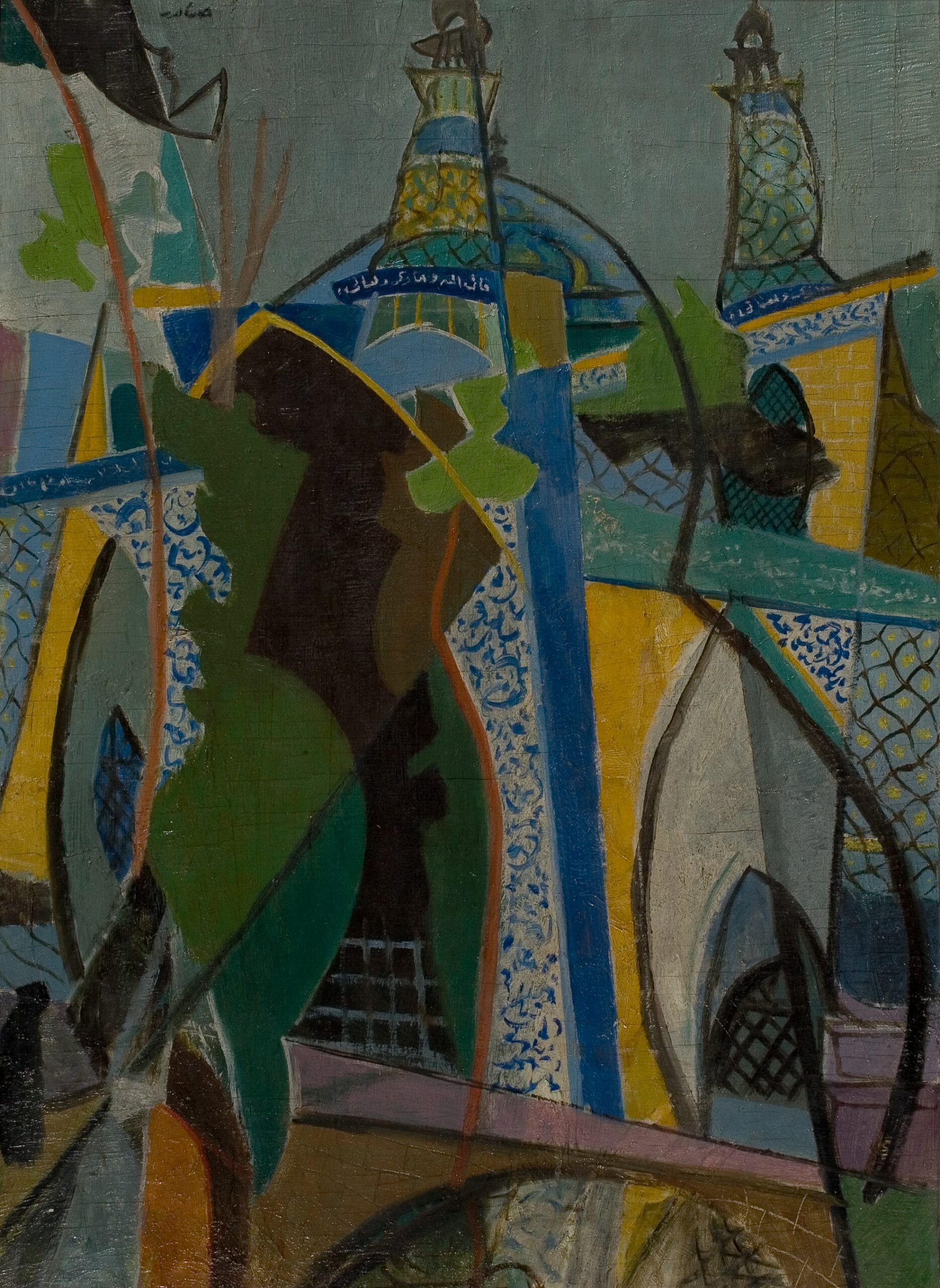
Master Jalil Ziapour; “Sepahsalar Mosque”; 1948; oil; 120×80 cm
Social conditions, the rise of nationalism and its power in the region, as well as the formation of new identities after the Second World War, guided modernist artists toward local and indigenous visual traditions that had previously been dismissed as non-art by Western instructors; in this way, artists in these regions began to return to their roots and explore their heritage. In this context, the resulting works can only be regarded as a superficial interpretation of Western art movements, because visual transformation in the West had not emerged all at once, and art movements had gradually, one after another, sought to find a fresh perspective on the world, while nonetheless encountering the reactions of critics.
Ziapour’s understanding of Cubism was limited solely to the expanse of planes and the subdivisions of the surface of the work with indigenous and popular subjects, and it differed distinctly from what had been experienced in the West.
In view of the statements of the artist, who was pursuing “new speech”, it appears that his objective was a transformation in visual culture and the attainment of a fresh imagery in Iranian painting, a path along which he largely succeeded. He was able to depict national subjects and indigenous culture within the fresh format he had derived from Cubism (a personal understanding of Cubism).
1- The choice of the name of the rooster, which in Mithraic culture heralds the dawn and the true daybreak, as a symbol of Iranian culture, was intended to awaken and stimulate the artistic community.
The original text of this article is available in the digital archive of Etemad newspaper.