by
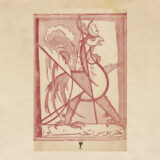
by Article titled “Kavir Magazine”, Mehr-e Iran newspaper, Issue 2175, December 1949.

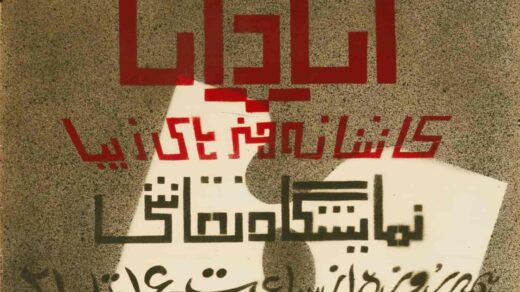
Cover of Kavir magazine, designed by Master Jalil Ziapour, 1949
This note is an anonymous reader’s praise of the “Fighting Cock” Association and its successor magazine “Kavir”, printed in the newspaper Mehr-e Iran; the writer commends the works of Gharib, Nima Yooshij, Master Jalil Ziapour, and Shirvani in these publications. Master Ziapour selected and included only the positive part of this letter.
Humanity is in pursuit of the unknown. Every enthusiast, commensurate with their understanding or perception of life, seeks their desires from art and, on that basis, adopts praise and condemnation.
One of the enthusiasts of our work published a piece in the form of praise and condemnation, of which I have only included his positive understanding here. For we know that interpretations are not free from flaw. But the positive aspects must be taken into account.
The delay in publishing the magazine and the articles of Fighting Cock (Khorus Jangi) made those waiting and the enthusiasts impatient. Until, one of those waiting spoke up and wrote in the Mehr-e Iran newspaper (Issue 2175, December 1949) under the title “Kavir Magazine”: “Approximately two years ago, at the insistence of one of my friends, I became a subscriber to the Fighting Cock publication.
I, who rarely spent my time reading Iranian magazines and mostly studied foreign art magazines, read the content of Fighting Cock with great interest. The writers of this magazine, each time by publishing their art works and articles, introduced the readers of Fighting Cock to the new art and art styles of the world, and each issue was, in terms of content, superior to the previous one.
A long time passed and no sound arose from the roosters, until recently a new magazine named “Kavir” reached my hands. From its appearance, I realized it is the former Fighting Cock.
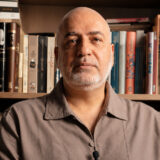
The writing of Gharib named “Golden Brick” was a profound, ambiguous work of folkloric themes; with the skill of a jeweler setting precious stones on a golden plate, he had arranged and composed the sentences with eloquence.
Close the door, for with me no longer
Is there any desire to see anyone
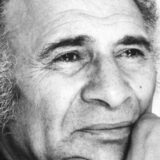
Mr. Nima‘s new poem was the reaction to his severe and powerful mental distress.
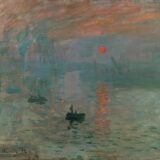
In Mr. Ziapour’s article on painting, the debates of Surrealist artists with their opponents have been explained very deeply, precisely, and in detail.
The theme of the play “Mah-Pishoni” by Mr. Shirvani is taken from an Iranian folktale and has been adapted for the theatre with great skill. I, who have seen many plays in European countries, must confess that if this piece is staged by a famous director, it will rank among the most interesting plays in the world. (To avoid showing off, I refrain from writing my name.)”