by
by An article by Master Jalil Ziapour, titled “Is the Fluted Hat Known as ‘Persian’ Exclusive to the Persians?” published in Honar va Mardom magazine, Nos. 86 and 87, pp. 21 to 30, December 1969 and January 1970.
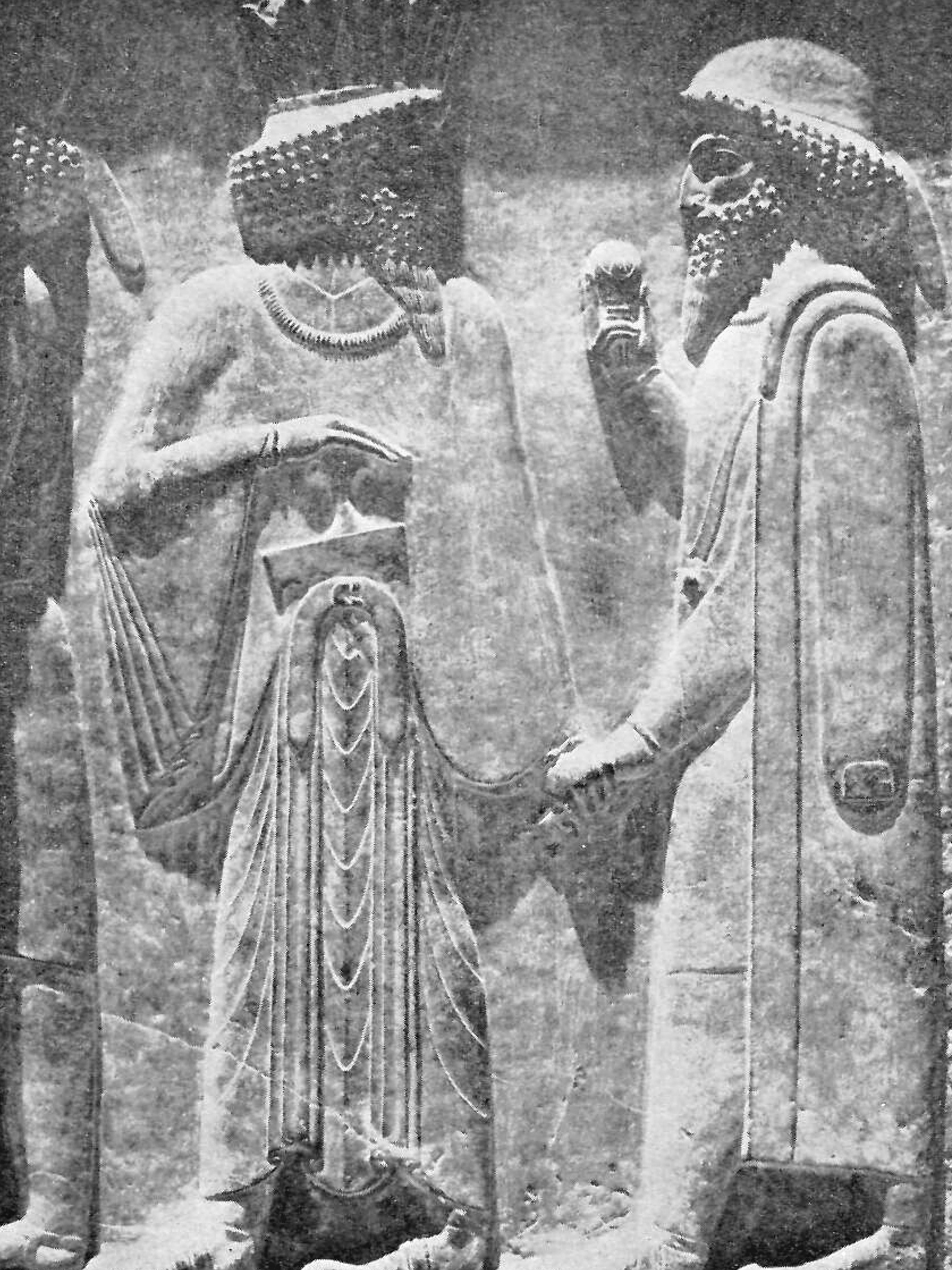
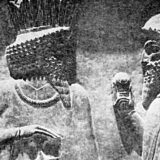
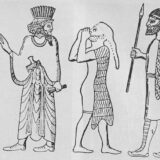
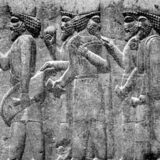
1. A Persian with a fluted hat (the man in the middle).
From the records we have of the account of the Aryans, it has been written that the two great Aryan tribes (the Medes and the Persians) entered the Iranian plateau from the northern plains “which are called Eurasia” and named this plateau after their racial name (Iran).
What kind of hat did the Aryans who came to the plateau wear on their heads from the time of their arrival?
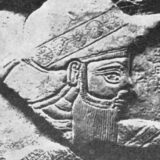
The oldest important relief that shows the Medes is the relief on the rocks of Dur-Sharrukin (Khorsabad), which shows them with sheepskins over their shoulders, high-topped shoes on their feet, and a band wrapped around their heads (like the Susians). (Figure 2)
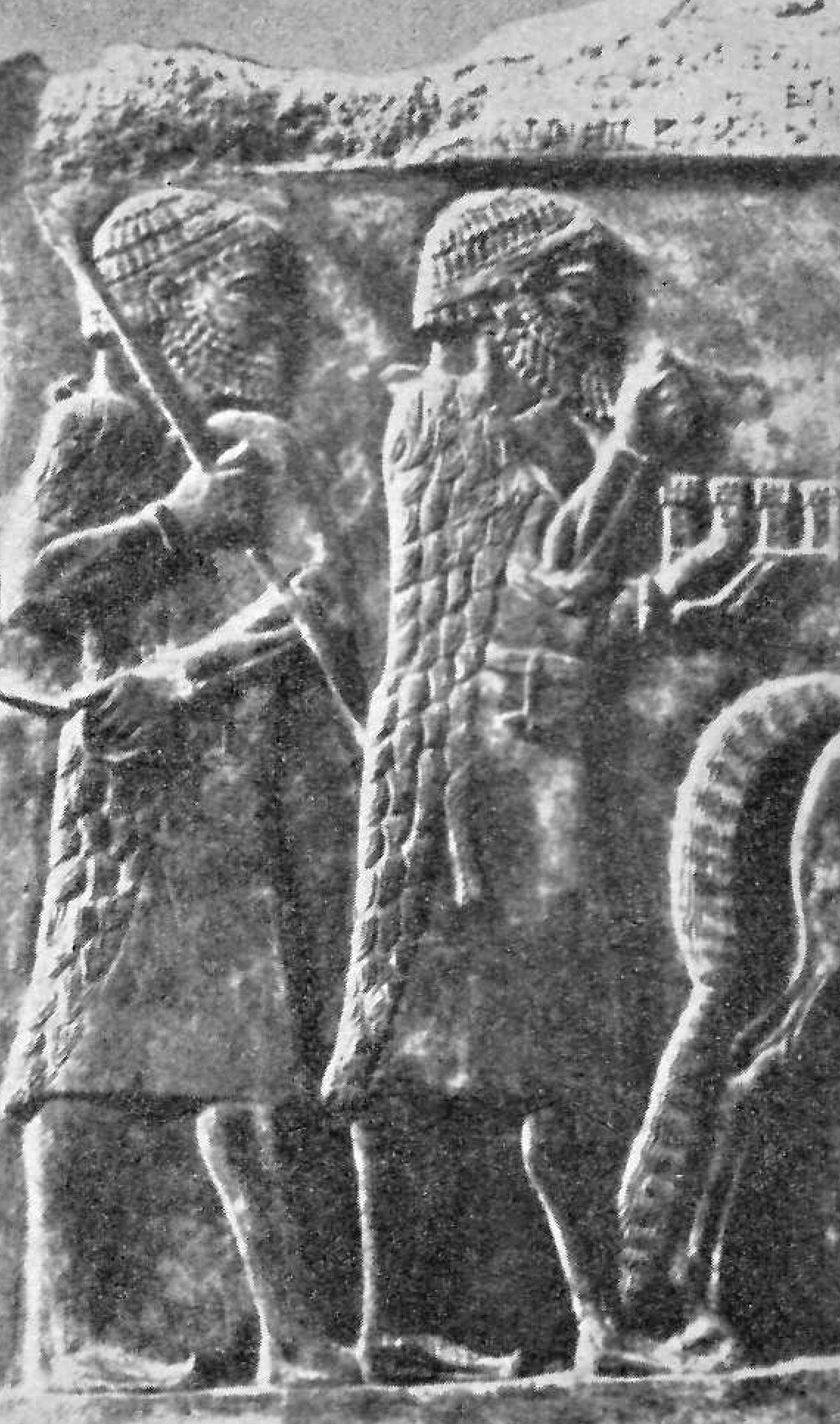
2. Relief of the Medes on the rock of Dur-Sharrukin, photographed from volume nine of the “Encyclopedia of World Art.”
We must accept that the “headband” of the figures in this relief (whom Diakonoff, in his book “History of Media,” presents as Medes, while also considering it possible that they may be Mannaeans) cannot in any case have been a suitable headdress for the Medes who came from the north (whom the bitter cold had driven to migrate), and if these are Medes, besides this “headband” they would also have had a hat that protected their heads and ears from the cold. Indeed, some reliefs show the Medes with an “ear-flapped” hat, and at Persepolis it has been depicted for the Medes.
Besides this kind of headdress, a depiction attributed to the Medes leads us to another type of their hat, namely the design of a seal that shows a Median horseman attacking a standing lion with a long spear.
This horseman has a tall hat on his head, and (Figure 3) shows it.
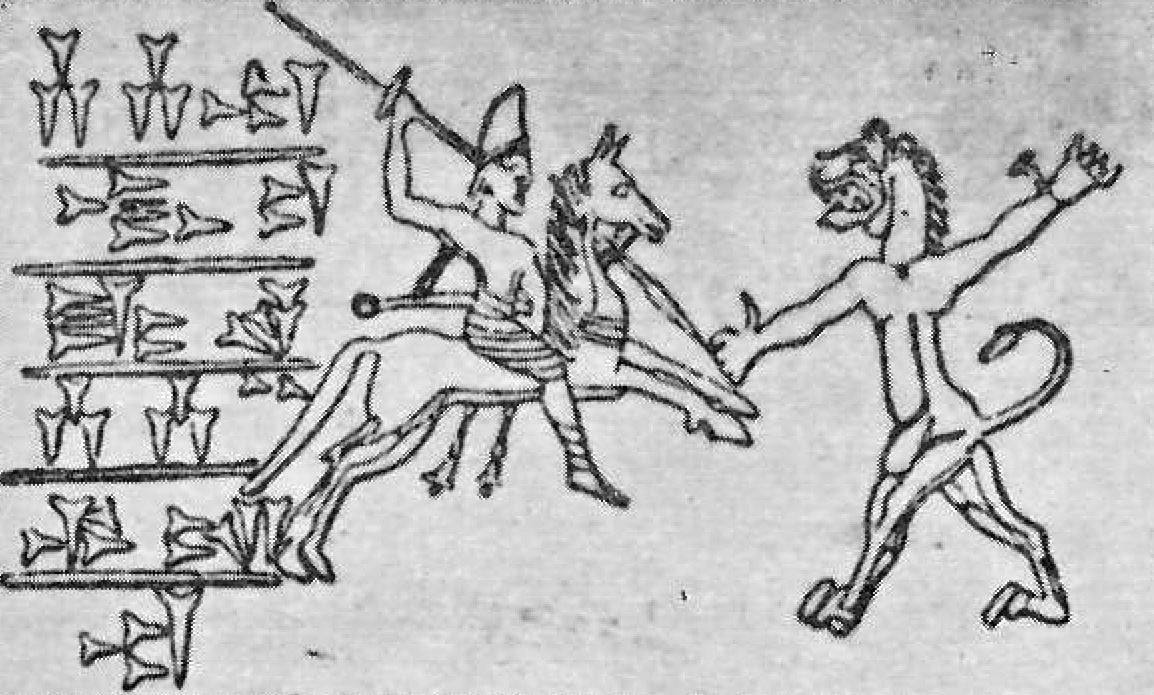
3. A Median horseman, taken from the book “A History of Persia,” Sir Percy Sykes.
Of the Persians (who are the subject of discussion here) there is better evidence at hand, and several nearly similar depictions show them with a headdress more suitable than the band or “headband” of the Medes.
The design woven on the border of the carpet (found at Pazyryk) shows a horseman whose headdress appears to be of a soft material, pointed and tall, with its tall part folded forward over the head. (Figure 4)
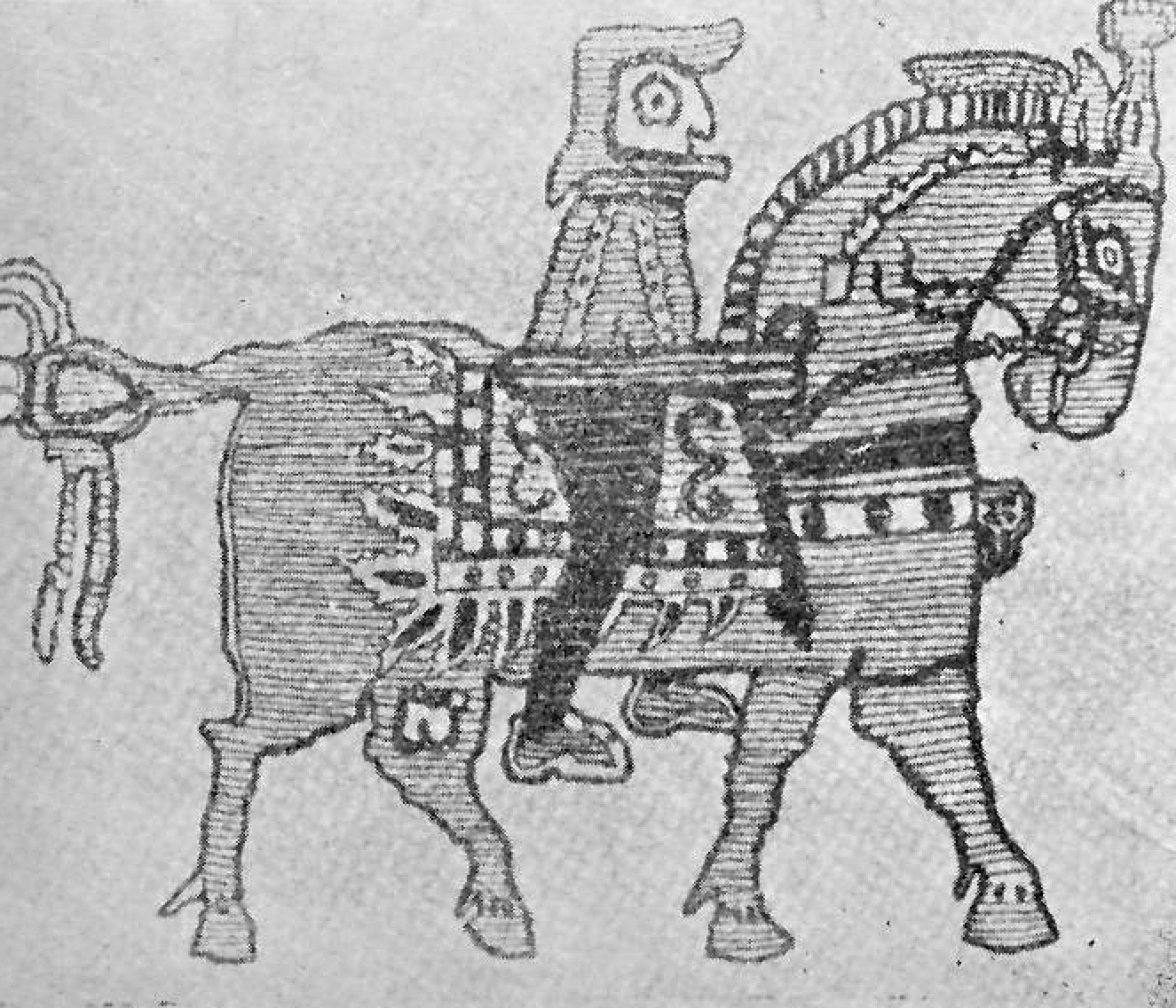
4. One of the horsemen in the border design of a carpet of the Achaemenid era.
Many documents show a similar depiction, including a seal attributed to the Achaemenids, which is kept in the British Museum and has been published in the book known as “Seals of Western Asia.” (Figure 5)
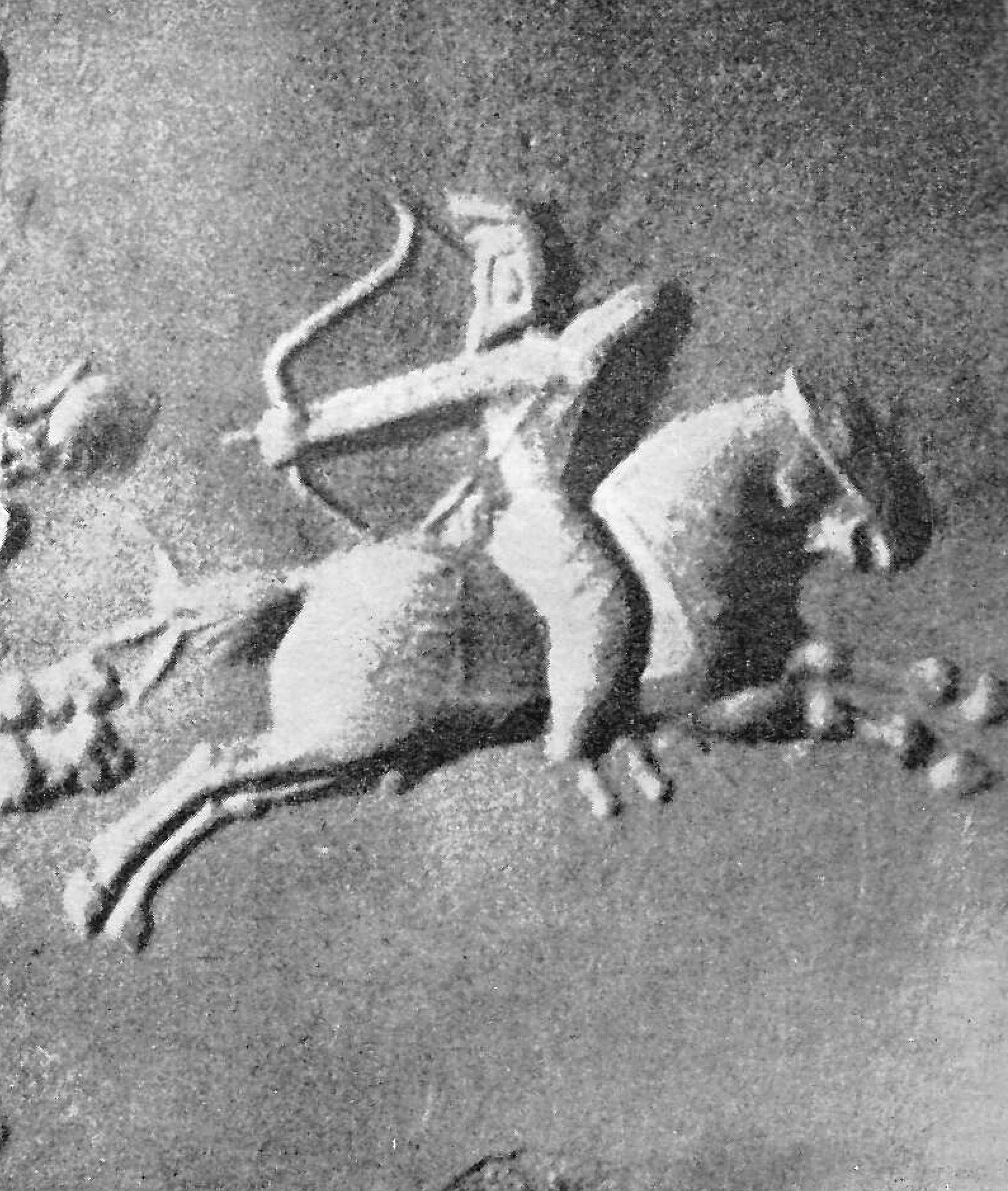
5. A man attributed to the Achaemenid period.
The design of this seal shows a horseman shooting with a bow. This horseman also has a headdress of the same type as that of the horseman on the Pazyryk carpet.
Another seal as well (which is attributed to the Achaemenid period and appears in the seventh volume of Pope’s book “A Survey of Persian Art”) shows a Persian hunting a boar. (Figure 6)
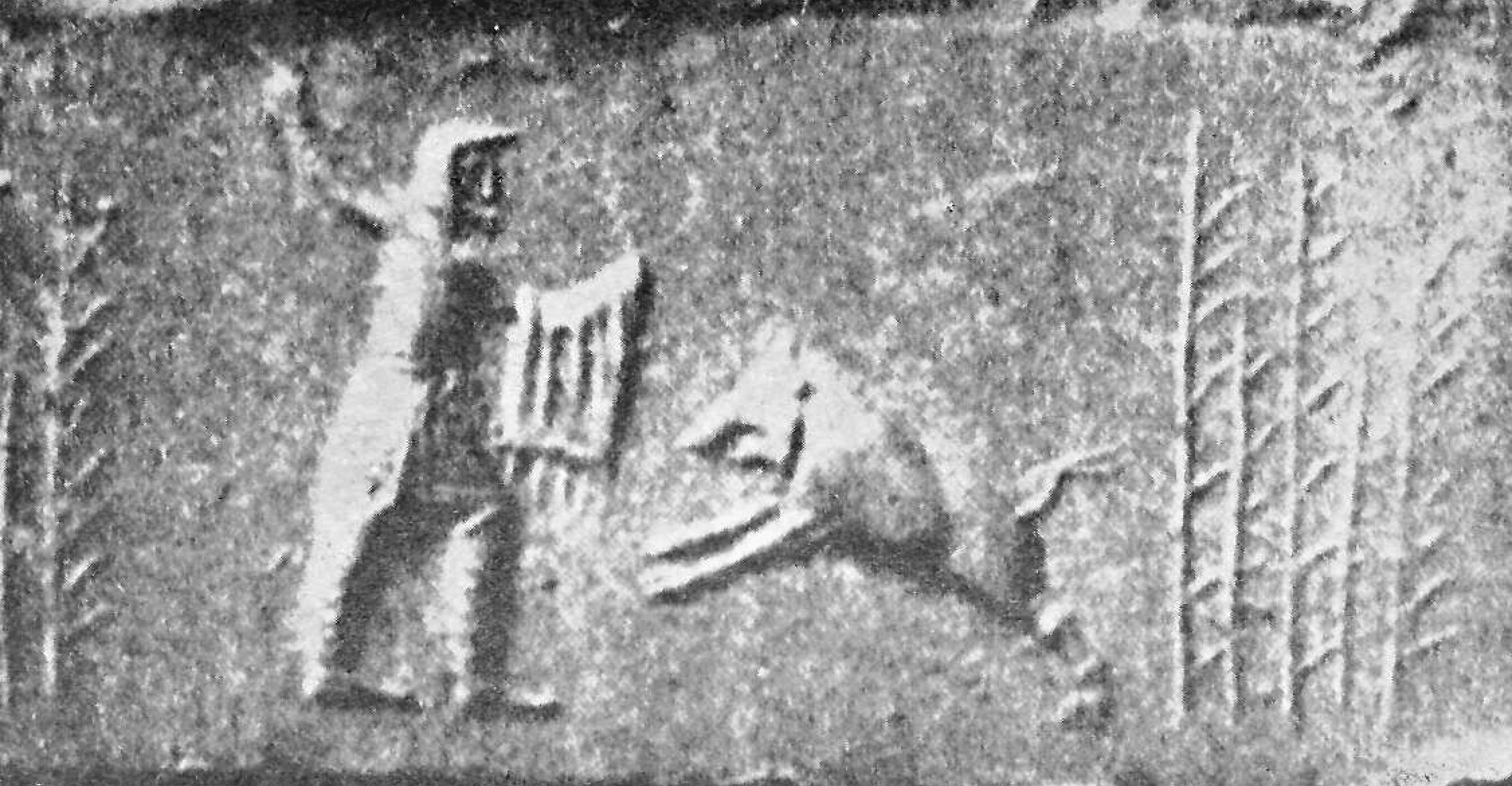
6. A Persian hunting.
From this evidence it can be accepted that the Persians who came from their cold homeland had headdresses along the lines presented here, and of the fluted hat (which is depicted for the Persians in the reliefs of Persepolis) there is no evidence at hand showing that the Persians had it before; none of the Aryans’ near or distant kindred peoples wear this hat either, and all the hats of the Aryan peoples (who settled in northern Khorasan and in the east and northwest of the Iranian plateau) are hats or headdresses of the Scythian type, short or tall and sometimes “ear-flapped,” suited to cold deserts “just as the Medes also had a short hat of the Scythian type, and at Persepolis it has been depicted for them,” and the Parthians (the Arsacids) also used this same type. But the fluted hat does not appear to have been customary in the east and northwest of the plateau. On the contrary, in the southwest and west of the plateau, the fluted hat was customary from before the arrival of the Aryans, and much evidence confirms it.
As examples, we present here a number of the seals that have been found and preserved in this region of the plateau:
There is a seal attributed to the “Akkadians” which is kept in the British Museum and has been published in the book known as “Seals of Western Asia.” On this seal, the first figure on the left wears a fluted hat. (Figure 7)
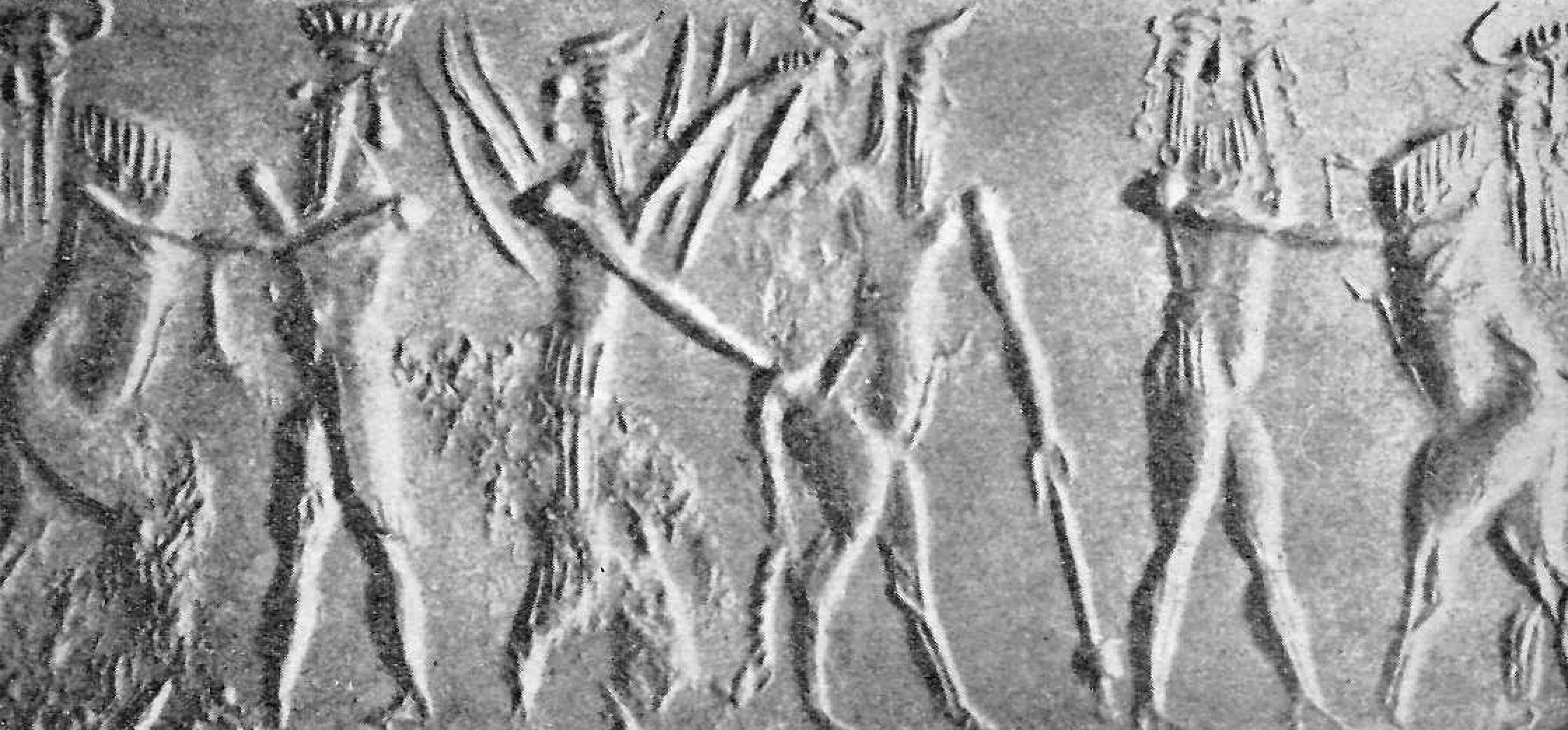
7. Seal attributed to the Akkadians.
The same kind of hat can be seen on another Akkadian seal (which Edith Porada published under the title “Seals of the Middle East”), on the head of the first figure on the right of the picture in (Figure 8).
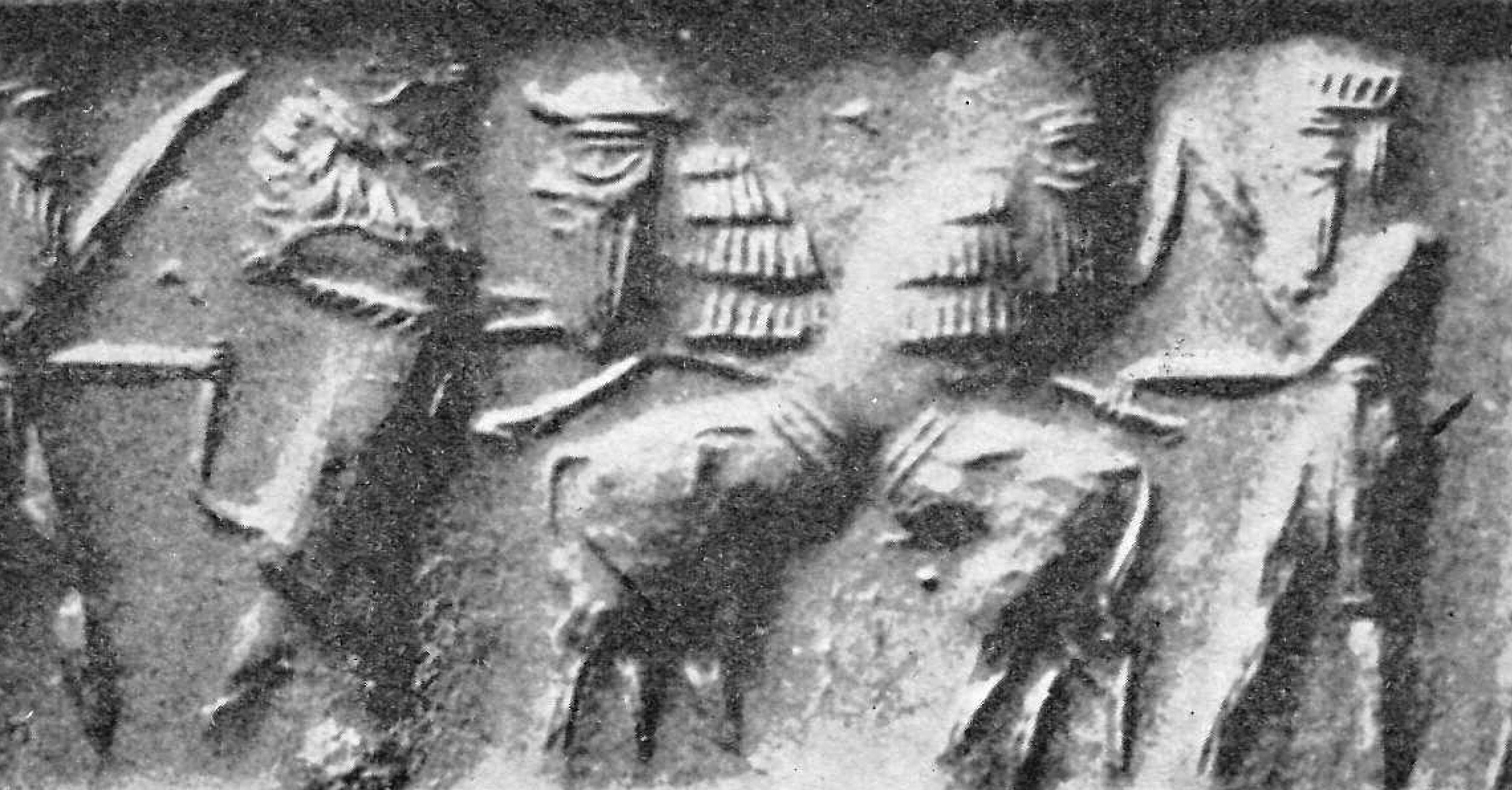
8. Seal attributed to the Akkadian period; photographed from the book “Seals of the Middle East.”
On another seal, attributed to Sumer and Akkad, the first figure on the left of the picture wears a fluted hat. This seal is kept in the “Louvre” Museum and has been published by “Louis Delaporte” in the catalog known as “Oriental Seals.” (Figure 9)
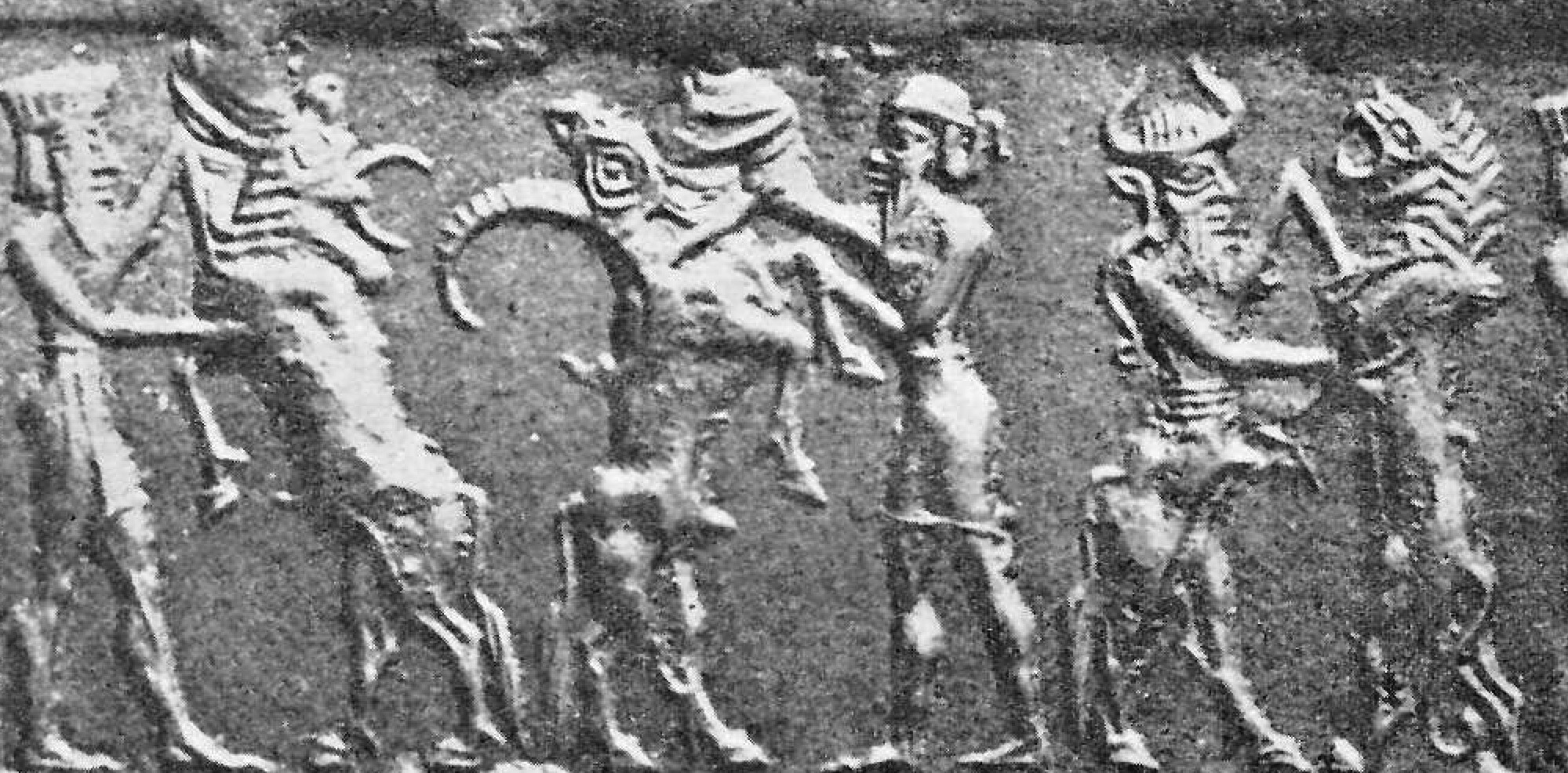
9. Seal attributed to the period of Sumer and Akkad; photographed from the book “Oriental Seals.”
Louis Delaporte has presented in this same catalog of his another seal, attributed to the period of Sumer and Akkad, in which the two figures on the left of the picture wear fluted hats. This seal is also kept in the Louvre Museum. (Figure 10)
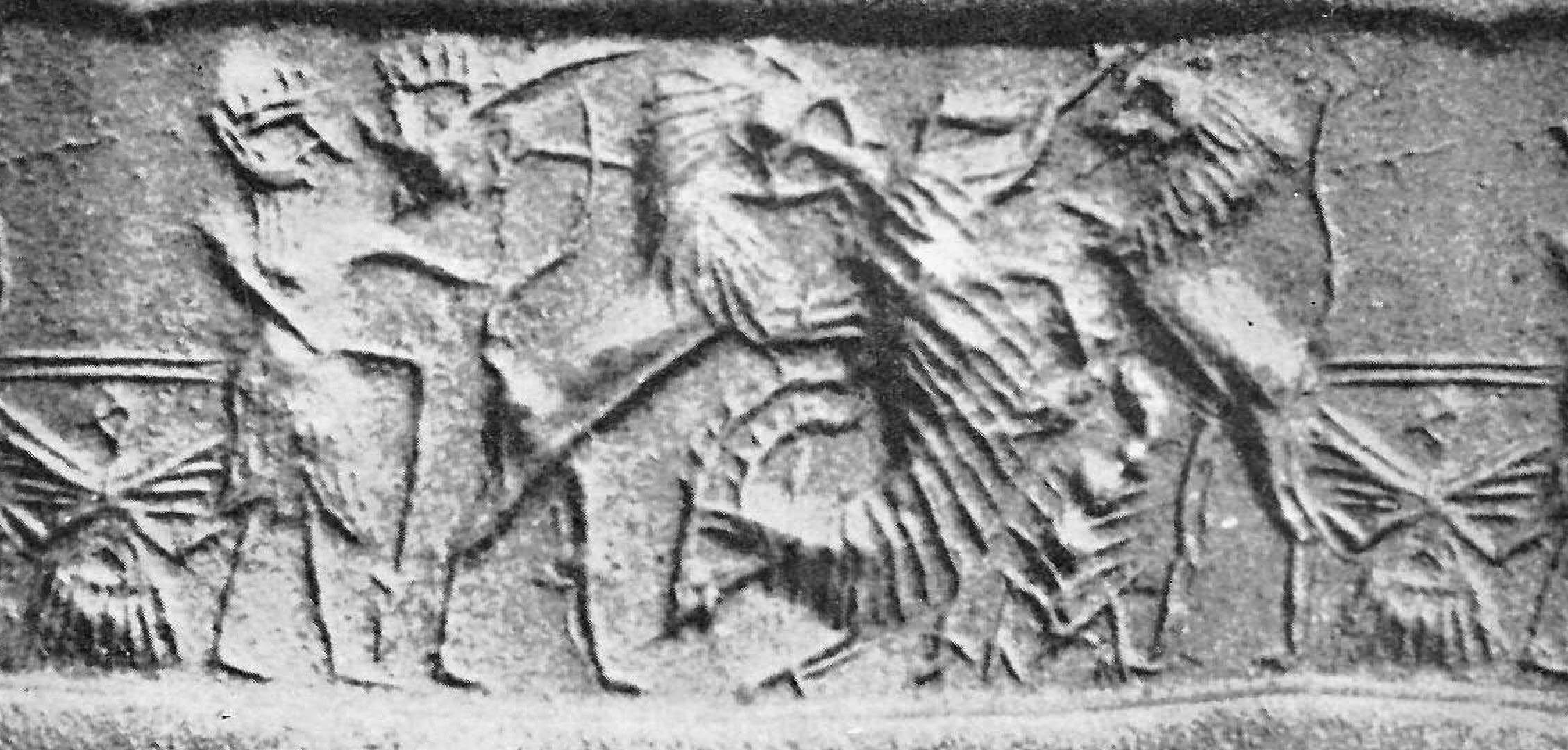
10. Seal attributed to the period of Sumer and Akkad; photographed from the book “Oriental Seals.”
In addition to this evidence (of the many examples, presenting a number has sufficed), we present here, for further information, several other examples that are attributed to the Neo-Babylonian period:
“Edith Porada” has presented a seal in her book known as “Seals of the Middle East” that shows a man with the lower body of a winged quadruped, hunting a winged quadruped with bow and arrow. This man wears a fluted hat. (Figure 11)
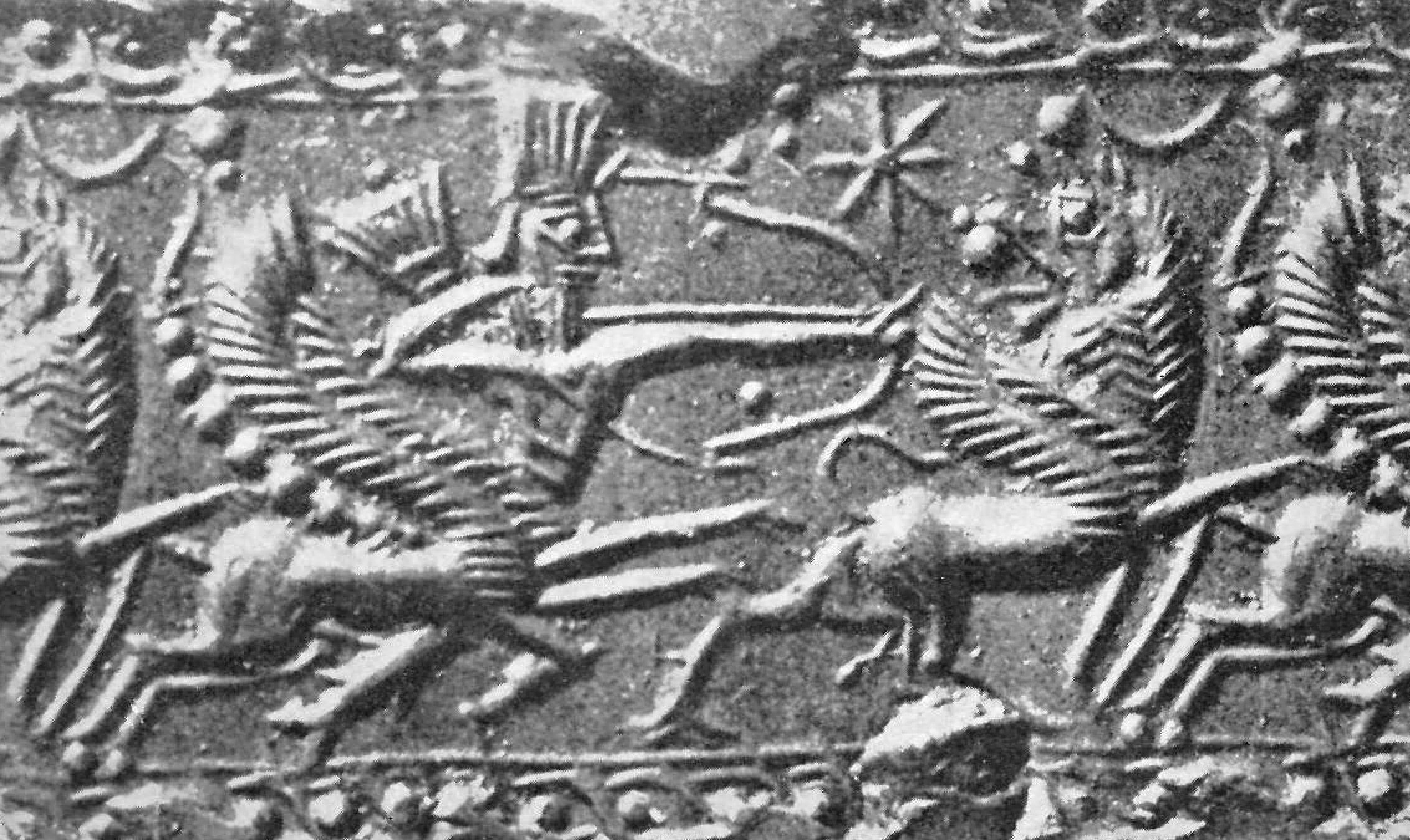
11. Seal attributed to the Neo-Babylonian period; photographed from the book “Oriental Seals.”
Another seal, published in Delaporte’s catalog “Oriental Seals” (which is attributed to the Neo-Babylonian period, and for which he has mentioned the word (Iranian) within parentheses), shows a man fighting two winged animals and recalls the famous hero Gilgamesh. This man wears a fluted hat, and his clothing differs from that depicted for the Iranians (Persians) at Persepolis. (Figure 12)
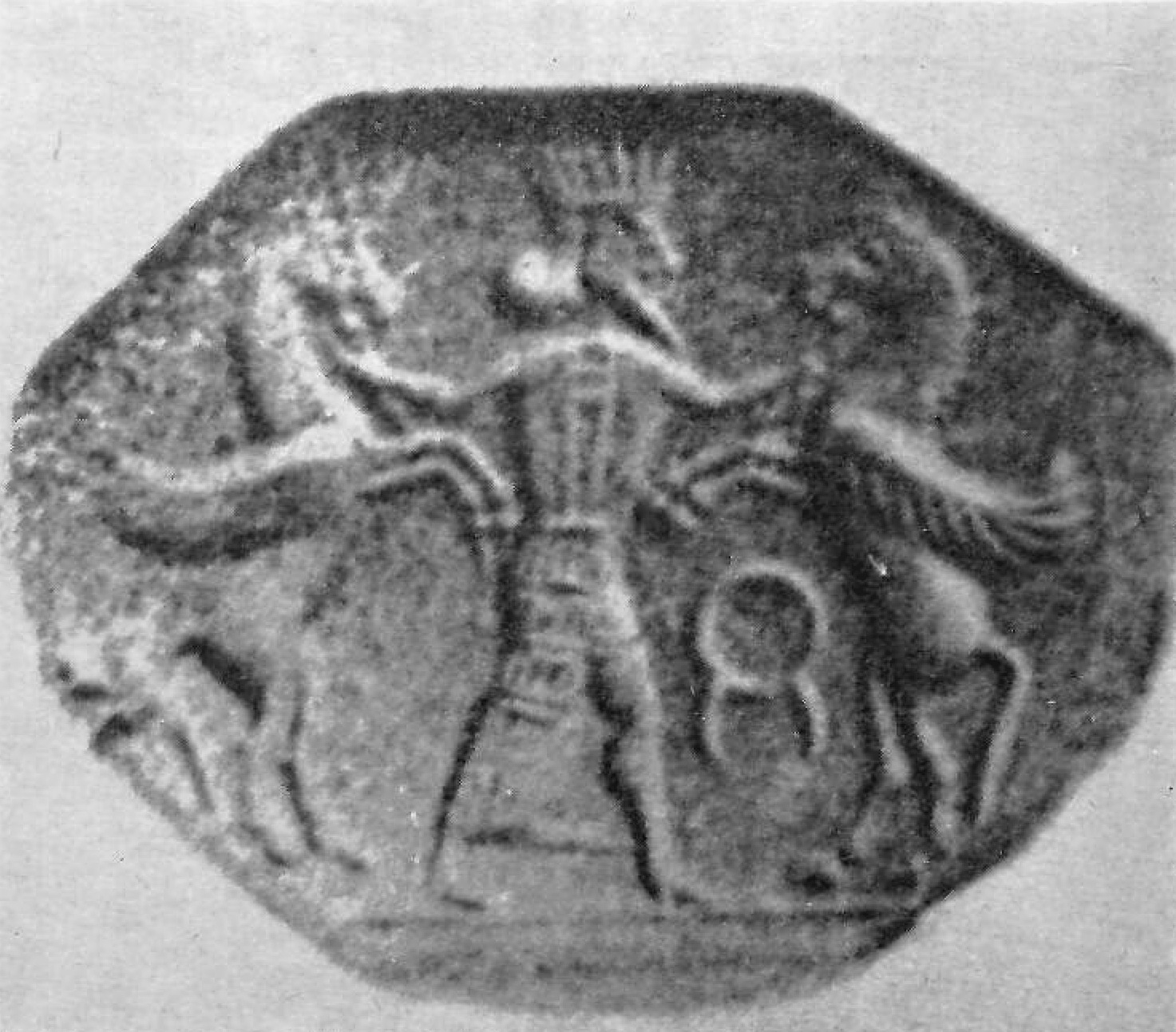
12. Seal attributed to the Neo-Babylonian period; photograph from the book “Oriental Seals.”
“Schmidt” has presented another seal in the book “Persepolis” which also contains this same subject, and here the hero and the quarry (both) wear fluted hats, and the hero’s clothing is also like the clothing of the man in (Figure 12). (Figure 13)
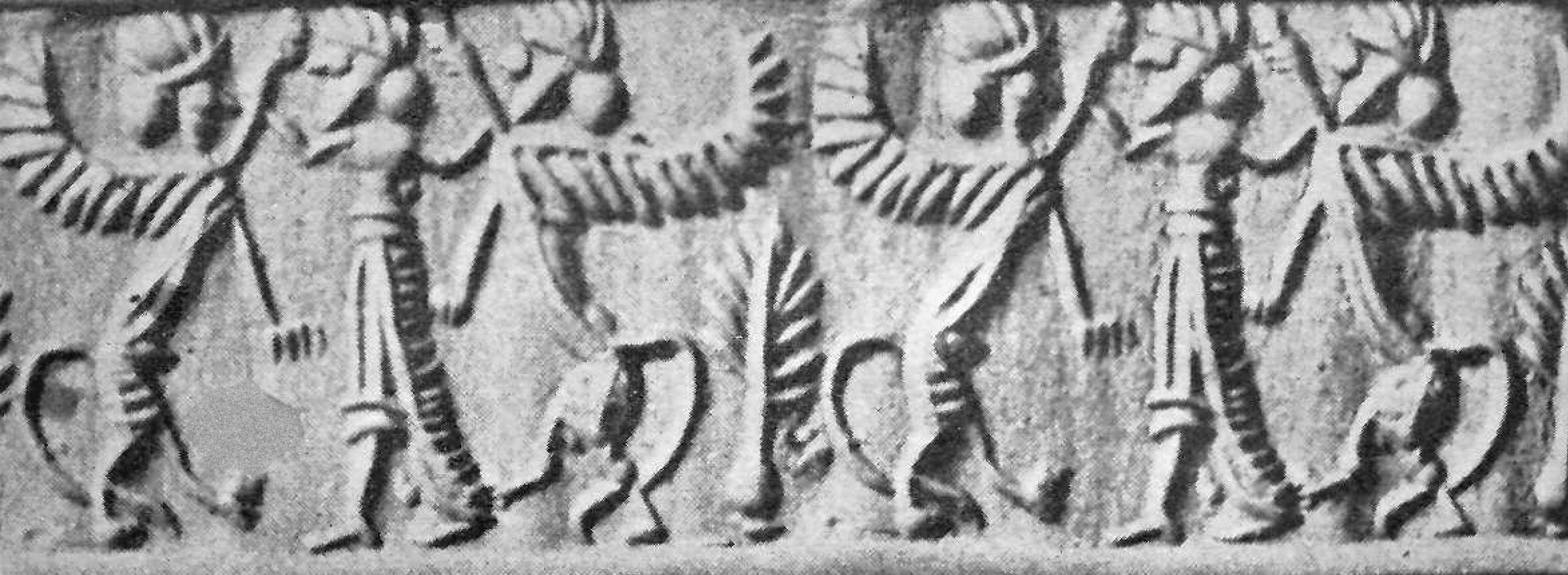
13. A seal photographed from the second volume of “Persepolis,” by Schmidt.
Moreover, a seal attributed to the Neo-Babylonian period shows a standing man who also wears a fluted hat. (Figure 14)
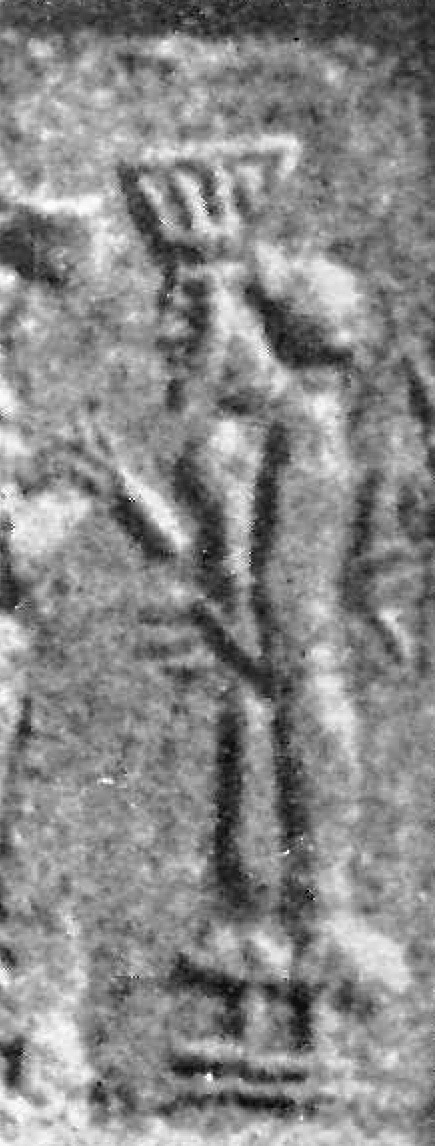
14. Seal attributed to the Neo-Babylonian period.
From the region of the west of the plateau, two interesting examples are at hand that show the fluted hat:
One is the head of a bronze pin found in Luristan, which “Ghirshman” has attributed to the seventh - eighth centuries BC. The design of this pin head shows a hero (who has four wings) fighting two animals, holding each of them upside down by the leg, and such a scene recalls the depiction of the hero Gilgamesh on the bronze plaque found in Urmia. As seen in (Figure 15), this hero also wears a fluted hat.
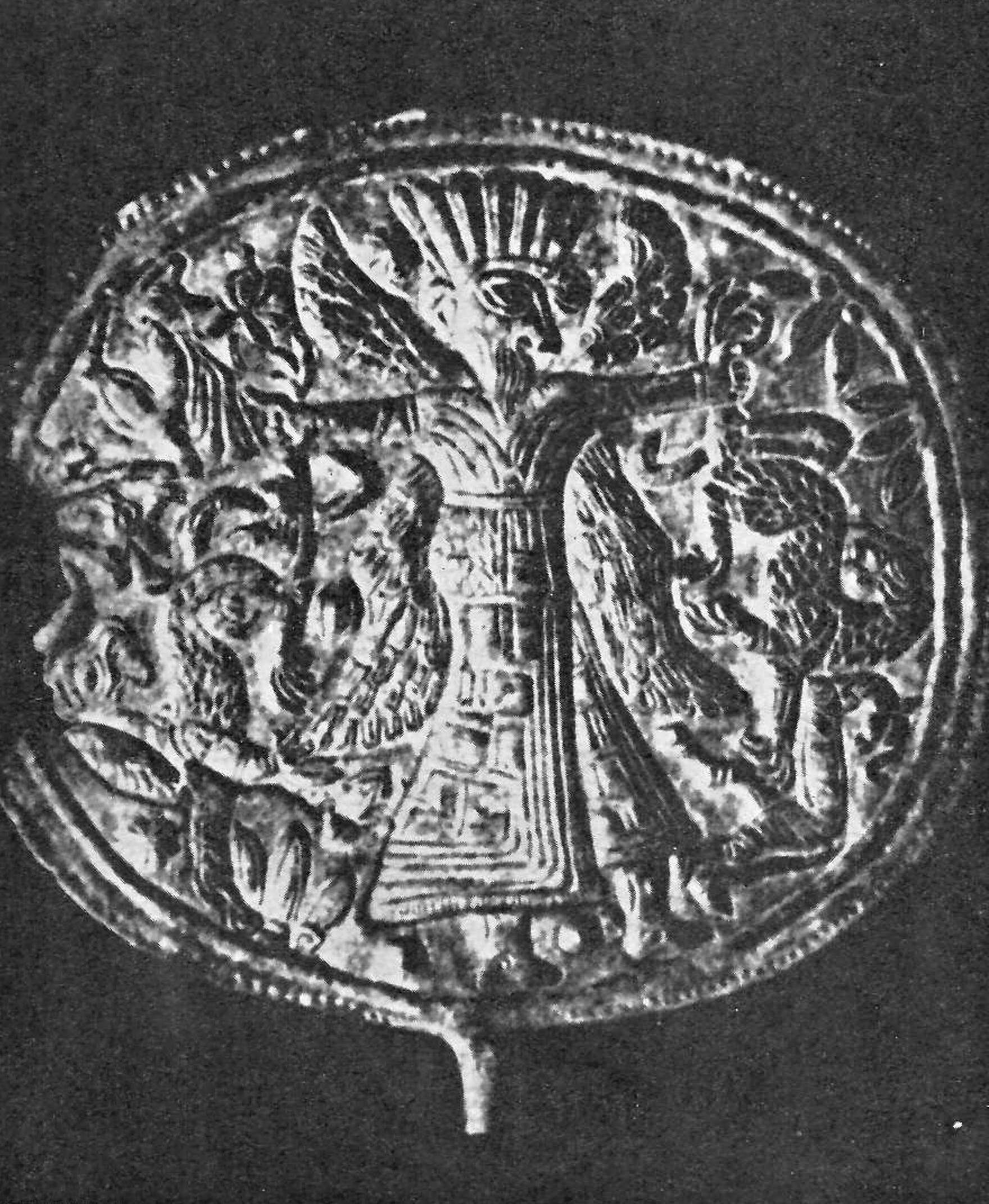
15. Design of a bronze pin head from Luristan.
The other is a hunting scene whose figures wear the dress of the people of the west of the plateau, and the two figures on the left of the design wear fluted hats. This plaque is among the finds of “Ziwiye” in Kurdistan, and “Vanden Berghe” has presented it in his book “Archaeology of Ancient Iran” and attributed it to the seventh century BC. (Figure 16)
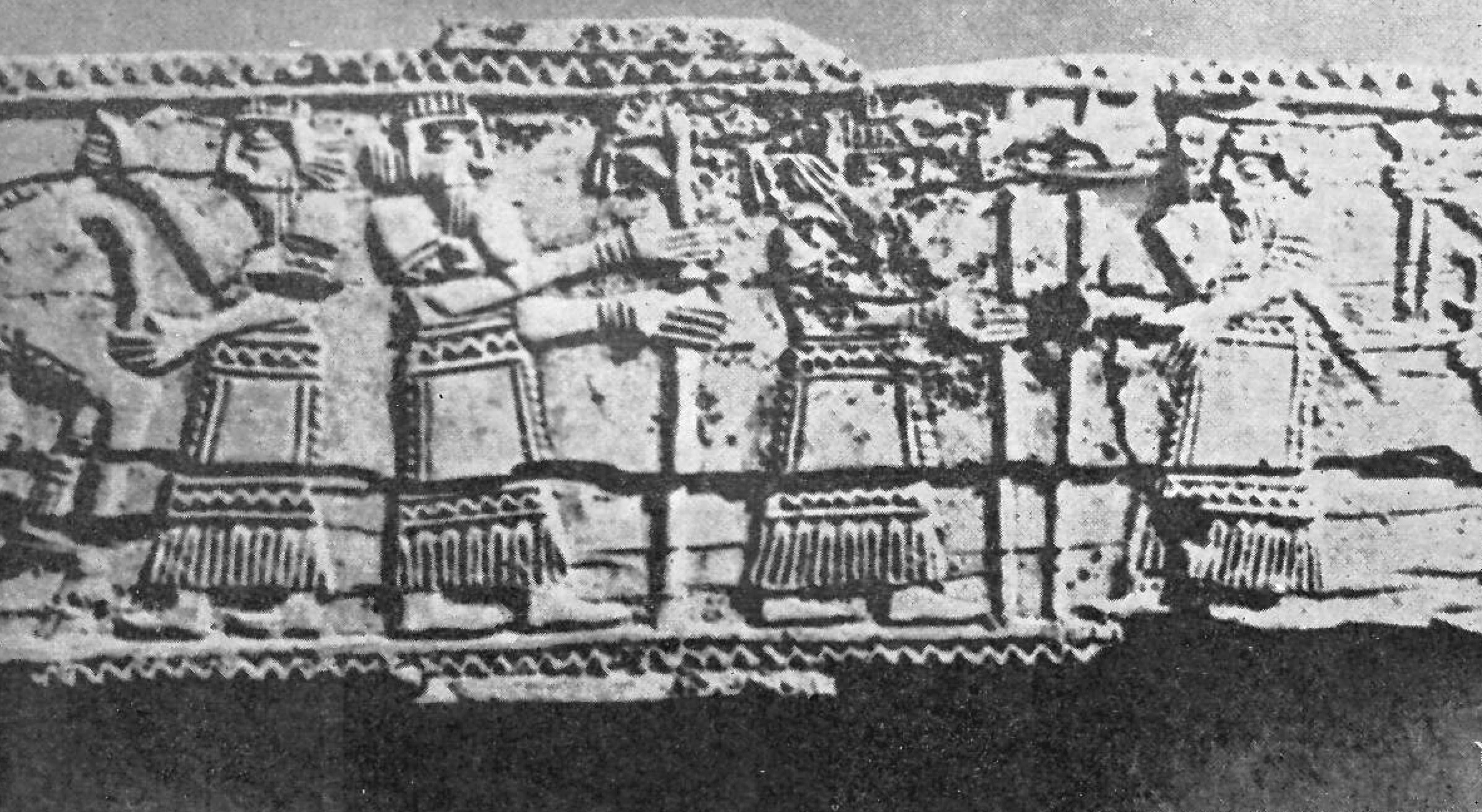
16. Plaque found at Ziwiye. Photograph from the book “Archaeology of Ancient Iran,” by Vanden Berghe.
Another document is the stone relief known as “Anubanini,” located at Sar-e Pol-e Zahab in Kermanshah, in which the first figure of the lower row on the right of the relief wears a fluted hat. Diakonoff has reproduced this drawing from Herzfeld’s book in his own book “History of Media,” and beneath it, “after referring to the clothing of the inhabitants of Media (whose drawings he has also given), he has pointed to the man with the fluted hat and written: Head of a captive man from the Anubanini relief (third millennium).” The author of this article has seen this relief up close himself, climbed up to it and touched it, and on several occasions has photographed and drawn it. (Figure 17)
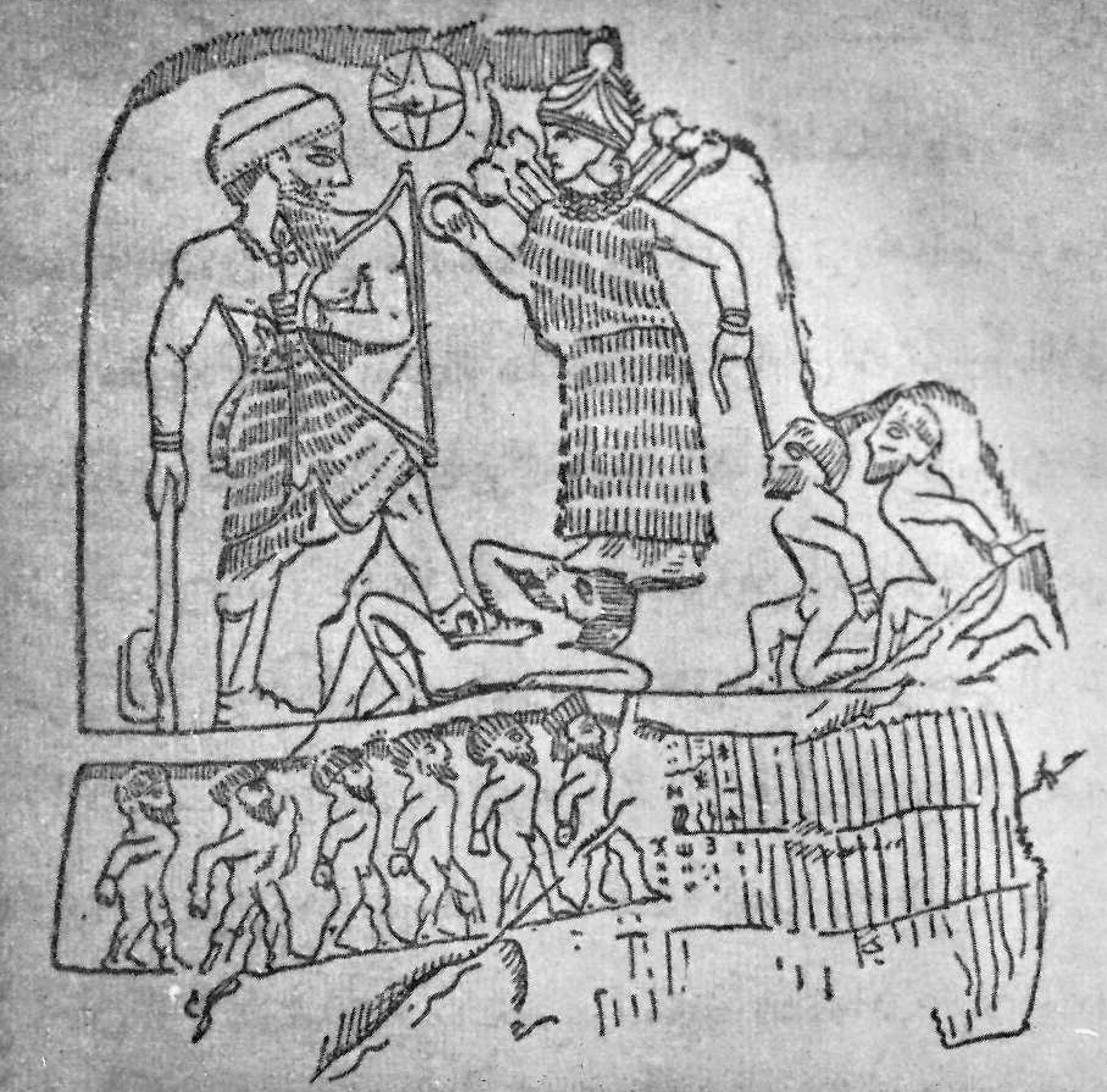
17. The “Anubanini” relief at Sar-e Pol-e Zahab.
If we consider the general state of the clothing of the peoples and regions of the plateau and its neighbors, and add this statement by “Richard N. Frye,” who wrote in his book “The Heritage of Persia”: “The Persians in the region of Pars took their clothing from the defeated people of Elam,” then, with the grounds and evidence presented, it can be considered likely that the fluted hat known as Persian - Achaemenid was not exclusive to the Persians.
Jalil Ziapour, Director of the Museum of Anthropology